Mold After Water Damage Restoration: Prevention and Treatment Guide
Published: 2026-04-18 · By RushDry Water Damage Cleanup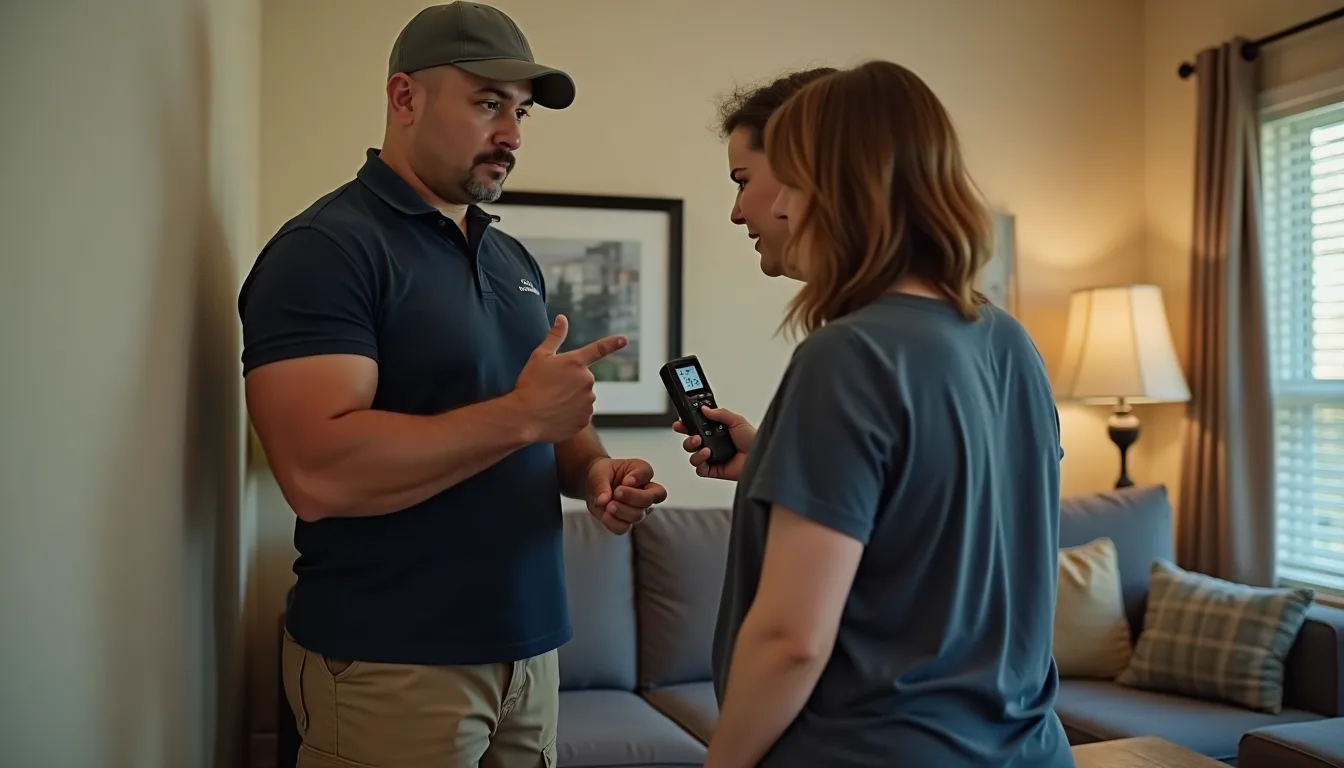
Imagine waking up one morning in your Marietta home to the foul smell of mold creeping through the air—this could be the result of past water damage. With the humid summers and sudden thunderstorms common in our area, water damage is a risk that residents must take seriously. The real threat emerges when mold begins to flourish in the damp conditions left behind. Not only can mold damage your walls and belongings, but it can also affect your health, making it imperative to act swiftly to remediate the situation.
Why This Matters for Marietta Homeowners
For homeowners in Marietta, the local climate presents unique challenges post-water damage. Hot, humid summers and occasional freezing temperatures lead to a perfect storm for mold growth. Mold spores thrive when moisture is present, and if left unchecked, you may find that mold spreads quickly, leading to costly repairs and health risks. Hail and lightning from spring storms can also result in significant roof leaks, creating hidden pockets of moisture within your home. The red clay soil common in this region can shift, complicating drainage and exacerbating the problem by allowing water to pool around foundations.
Furthermore, the necessity of proper drainage around your home cannot be overstated. If your property lacks adequate drainage systems, the risk of flooding, and subsequently mold, continues to rise. This is especially crucial in Marietta, where red clay soils are prevalent and can contribute to foundation movement if not properly managed.
Expert Solutions & Actionable Tips
1. Inspect Your Home Regularly
Regular inspections can catch water damage before it becomes a mold problem. Homeowners should check for signs of leaks in areas prone to moisture, such as bathrooms, kitchens, and basements. A thorough inspection every few months can save costs on larger restoration efforts down the line.
Invest in a moisture meter for around $50-$100 to help gauge humidity levels. If humidity is above 60%, mold is likely to thrive.
2. Invest in Quality Dehumidifiers
Given Marietta's summer humidity, investing in a dehumidifier can help reduce moisture levels. It's advisable to place units in basements and bathrooms, where humidity often builds up. Expect costs for a decent sized model to range from $150-$300.
Running a dehumidifier daily in summer months can significantly lower mold risk, keeping humidity levels below 50%.
3. Seal and Insulate Your Home
Proper sealing of doors and windows can prevent outside moisture from entering. Insulating pipes in unconditioned spaces, like attics and crawlspaces, can help stop condensation that can lead to water damage. Expect an investment of $200-$600 depending on the size of your home and the amount of insulation needed.
Sealing cracks and openings not only helps with aesthetics but also reduces the chance for water intrusion, particularly during heavy storms.
4. Use Mold-Resistant Materials
When repairing water damage, choose mold-resistant drywall and paint specifically designed for bathrooms and kitchens. While these materials often cost a bit more—approximately 10-20%—the long-term savings in mold prevention can outweigh the initial investment.
Opting for mold-resistant options in high-humidity areas significantly reduces the potential for mold issues later on.
5. Establish Drainage Solutions
Installing gutters and downspouts that direct water away from your house is vital, especially given the shifting conditions of Georgia’s red clay. Ensure gutters are cleaned regularly to avoid clogs and backup. Costs for installing new guttering can be around $700-$2,000.
This drainage system will help manage stormwater runoff and prevent pooling around the foundation, thereby protecting your home from moisture intrusion.
6. Regularly Clean HVAC Systems
In Marietta's humid climate, your HVAC systems can become breeding grounds for mold if not cleaned regularly. Schedule a professional cleaning annually, which generally costs between $300-$500.
Clean systems will help maintain air quality and reduce moisture, which is critical for keeping mold at bay.
Marietta Climate & Local Context
Marietta's humid climate, characterized by hot summers and fluctuating winter temperatures, presents specific challenges when it comes to water damage and mold. The region's red clay soil can shift and settle, which may impact drainage around homes. This makes it crucial for homeowners to invest in proper drainage solutions to avoid water pooling near foundations during storms.
Building codes in Marietta may dictate specific requirements for waterproofing and drainage, which homeowners should be aware of when undertaking renovations or restorations. Mindful compliance with these codes will not only ensure safety but also maintain property value amidst the local conditions.
When to Call a Professional
Deciding when to tackle water damage issues yourself versus when to call a professional can be tricky. Basic tasks like removing visible mold from small areas (less than 10 square feet) may be manageable for many. However, for larger infestations, it's prudent to seek expert help. Professionals can provide thorough inspection services, ensure proper remediation, and help prevent reoccurrence.
- Persistent water stains on walls or ceilings.
- Visible mold growth on surfaces larger than 10 square feet.
- A musty odor that persists despite cleaning.
- Health issues like respiratory problems following water exposure.
- Water pooling around the foundation of your home.
- Damage to structural elements like beams or flooring.
Tackling water damage alone might save a few dollars upfront, but the potential health risks and costs of extensive damage down the line can outweigh the initial savings.
Frequently Asked Questions
What are the most common causes of water damage in Marietta?
Common causes include heavy summer storms, roof leaks, and plumbing failures. The humid climate exacerbates these issues, allowing water to infiltrate homes easily.
How long does it take for mold to develop after water damage?
Mold can start to develop within 24-48 hours after water exposure, making swift action essential to prevent extensive growth.
Can I remove mold on my own?
Small patches of mold can be treated with household cleaners, though larger infestations should be handled by professionals to ensure complete removal and prevent health risks.
Will my homeowner’s insurance cover mold damage?
This varies by policy, so it’s important to review your insurance document. Many policies cover mold caused by sudden water damage but may exclude mold from prolonged moisture issues.
What’s the best way to prevent mold after water damage restoration?
Keep humidity levels low, use dehumidifiers, and ensure proper ventilation in areas like bathrooms and kitchens to prevent mold growth post-restoration.
Get Expert Water Damage Restoration Service in Marietta
If you’ve experienced water damage in your Marietta home, it’s not worth risking health implications or extensive property damage. Contact RushDry Water Damage Cleanup today for immediate assistance and reliable service.
Your home deserves prompt and effective restoration solutions, and our team is ready to help mitigate any mold-related concerns.
More Articles
Summer Water Damage Restoration Checklist for Marietta Homeowners
2026-04-18
Water Damage RestorationHow to Choose the Best Water Damage Restoration Company in Marietta
2026-04-18
Water Damage RestorationWhat to Expect During a Professional Water Damage Restoration Assessment
2026-04-18